
In late July 2019, Environmental Law Institute attorneys completed an assessment of Mexico’s legal framework regulating small-scale fisheries management. Sustainability in small-scale fisheries is important for food security, biodiversity conservation, gender engagement and equity, and local and national economic growth. The report underscores the need to ensure participation of fishing communities in fisheries management and enforcement to achieve these objectives. ELI plans to expand the legal research by incorporating information on state and local-level regulations and ongoing and/or proposed policy reforms in Quintana Roo and Yucatan.

tinker_admin / About Author
Related Posts
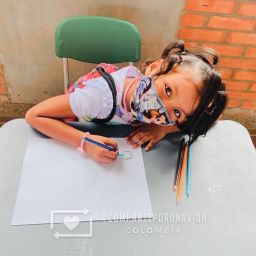
Tinker Announces New Education Grantmaking
The Foundation will fund 11 organizations working to ensure educational equity during the pandemic.
30 Sep 2020
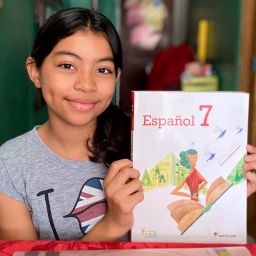
New Grantmaking to Address the Pandemic’s Continued Impact on Education
As we approach the third year of the pandemic, the Tinker Foundation announces funding to 12 organizations working to ensure equitable access to education.
25 Jan 2022

Latin American NGOs Mobilize to Address COVID-19
As the global coronavirus pandemic takes hold in Latin America, civil society organizations are stepping forward with speed and resourcefulness.
31 Mar 2020

The Criminal Justice System and Its Fight against Corruption
This project led by Espacio Público encompassed a study of major corruption cases in four countries –
Argentina, Brazil, Chile, and Guatemala – to identify factors that enable effective administration of justice, as well as recommendations for each country and the region.
05 Feb 2021
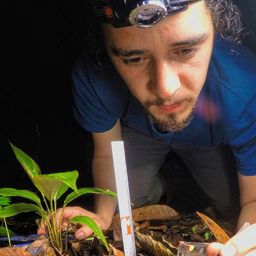
Announcing the Tinker Field Research Collaborative
The Foundation is delighted to announce the launch of the Tinker Field Research Collaborative in partnership with 15 U.S. universities.
21 Aug 2020

Interview with Sonoran Institute
Dr. Francisco Zamora Arroyo, Director Senior de Programas, cuenta como la organización binacional Sonoran Institute ha respondido a los desafíos de la pandemia y fortalecido la capacidad de resiliencia de su equipo.
26 Mar 2021
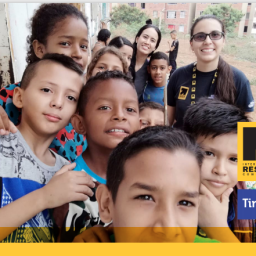
A Learning Assessment of In- and Out-of-School Venezuelan Refugee Children and their Colombian 1st to 5th Grade Counterparts in Cúcuta
This first-of-its-kind study analyzes the academic and social-emotional learning status of Venezuelan and Colombian students in Colombian host communities.
11 Nov 2020
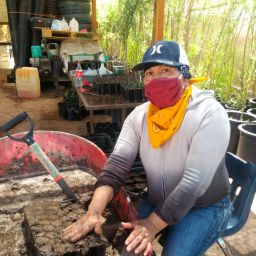
“Resilience, creativity, and solidarity” Three organizations reflect on their work over the last year
We asked three Tinker grantees – Organization for Youth Empowerment (OYE), the Sonoran
Institute in Mexico, and Women’s Justice Initiative – how they have responded to the pandemic.
26 Mar 2021

Staying the Course: Addressing the Educational Impacts of COVID-19 in Latin America
This post was first published in Philanthropy News Digest in July. (Photo by Kelli Tungay on Unsplash)
19 Sep 2023

Interview with Organization for Youth Empowerment – OYE
Hablamos con Dunia Perdomo, Coordinadora General de Proyectos en OYE, sobre su respuesta institucional frente a la pandemia y dos huracanes devastadoras en el 2020.
26 Mar 2021

Interview with Women’s Justice Initiative
We interviewed Elvia Raquec, Programs Director at Women’s Justice Initiative, who oversees the expansion of the organization’s work to new communities..
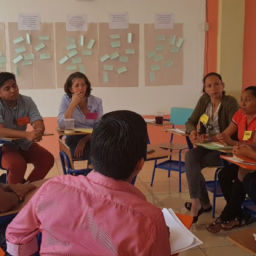
Building a Flexible Education Curriculum in Guatemala
The Population Council partnered with the General Directorate for Alternative Education—DIGEEX—of the Ministry of Education of Guatemala to improve access, quality, and bring secondary education closer to communities.
01 Jan 2020
Lessons Learned from Transforming Education in the Galapagos Islands
This document provides information on the origins, activities, philosophical underpinnings, and initial progress of the Education for Sustainability in Galapagos Program (ESG).
Tinker announces grantmaking approach for the remainder of 2020
The Foundation will launch a special initiative on educational access and equity during COVID-19, as well as temporary changes to other institutional grantmaking.
25 Jun 2020

Creativity amid Crisis: Legal Pathways for Venezuelan Migrants in Latin America
In this research brief from early 2019, the authors analyze the current legal frameworks for addressing Venezuelan migration in key receiving countries in Latin America.
01 Jan 2020