
Beginning last year, the Grupo de Trabajo de Movilidad Humana Venezolana (Working Group on Venezuelan Human Mobility) developed and publicized a Civil Society Plan of Action outlining key priorities for organizations working to advocate for migrants and refugees’ rights. Under the leadership of Tinker grantee CEJIL, the Working Group has presented its plan to the United Nations Refugee Agency, the Organization of American States, and governments in the region. The plan provides a specific, actionable framework for ongoing advocacy work, based on the needs and rights of migrants and refugees that will inform ongoing work in the region.

tinker_admin / About Author
Related Posts
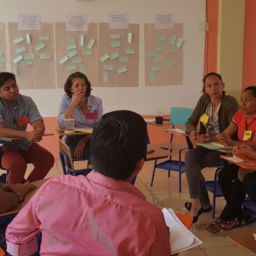
Building a Flexible Education Curriculum in Guatemala
The Population Council partnered with the General Directorate for Alternative Education—DIGEEX—of the Ministry of Education of Guatemala to improve access, quality, and bring secondary education closer to communities.
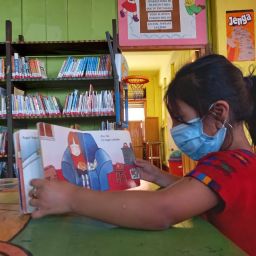
New Education Grants, One Year into the Pandemic
The Tinker Foundation announces 11 new grants that demonstrate its commitment to educational equity during the pandemic.
31 Mar 2021
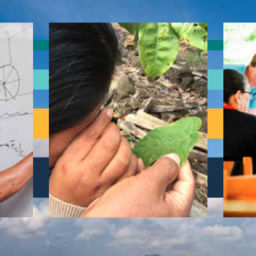
Lessons Learned from Transforming Education in the Galapagos Islands
This document provides information on the origins, activities, philosophical underpinnings, and initial progress of the Education for Sustainability in Galapagos Program (ESG).
01 Jan 2020
Tinker announces grantmaking approach for the remainder of 2020
The Foundation will launch a special initiative on educational access and equity during COVID-19, as well as temporary changes to other institutional grantmaking.
25 Jun 2020

The Criminal Justice System and Its Fight against Corruption
This project led by Espacio Público encompassed a study of major corruption cases in four countries –
Argentina, Brazil, Chile, and Guatemala – to identify factors that enable effective administration of justice, as well as recommendations for each country and the region.
05 Feb 2021

Latin American NGOs Mobilize to Address COVID-19
As the global coronavirus pandemic takes hold in Latin America, civil society organizations are stepping forward with speed and resourcefulness.
31 Mar 2020

Interview with Organization for Youth Empowerment – OYE
Hablamos con Dunia Perdomo, Coordinadora General de Proyectos en OYE, sobre su respuesta institucional frente a la pandemia y dos huracanes devastadoras en el 2020.
26 Mar 2021
Introducing RECARGA, A Funder Collaborative for Educational Recovery
Tinker is pleased to announce its participation in RECARGA, a funder coalition to support public education systems in Central America as they rebound from the COVID-19 pandemic.
12 Jan 2023

Interview with Women’s Justice Initiative
We interviewed Elvia Raquec, Programs Director at Women’s Justice Initiative, who oversees the expansion of the organization’s work to new communities..
26 Mar 2021
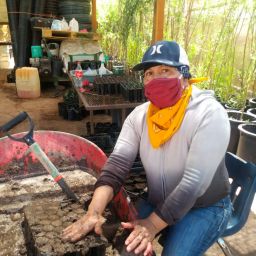
“Resilience, creativity, and solidarity” Three organizations reflect on their work over the last year
We asked three Tinker grantees – Organization for Youth Empowerment (OYE), the Sonoran
Institute in Mexico, and Women’s Justice Initiative – how they have responded to the pandemic.
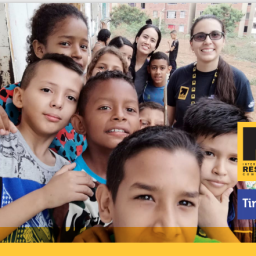
A Learning Assessment of In- and Out-of-School Venezuelan Refugee Children and their Colombian 1st to 5th Grade Counterparts in Cúcuta
This first-of-its-kind study analyzes the academic and social-emotional learning status of Venezuelan and Colombian students in Colombian host communities.
11 Nov 2020
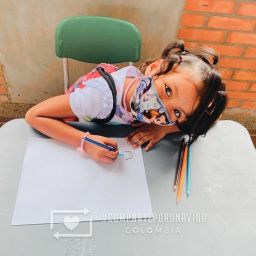
Tinker Announces New Education Grantmaking
The Foundation will fund 11 organizations working to ensure educational equity during the pandemic.
30 Sep 2020

Understanding Tinker’s Letter of Inquiry Process
Most foundations in the United States do not accept unsolicited funding requests. Why does Tinker?
10 Nov 2021
New Grantmaking to Address the Pandemic’s Continued Impact on Education
As we approach the third year of the pandemic, the Tinker Foundation announces funding to 12 organizations working to ensure equitable access to education.
25 Jan 2022

Legal Framework Analysis: Fisheries and Marine Protected Areas
The analysis underscores the need to establish formal pathways for fishing community participation in fisheries management and enforcement.
01 Jan 2020