
The International Rescue Committee (IRC) has developed global expertise on access to quality education for refugee, migrant, and displaced populations. In 2019, Tinker supported IRC to undertake a first-of-its-kind research study on the academic and social-emotional learning (SEL) needs of Venezuelan students in Colombia. The researchers found significant gaps in literacy and particularly math skills among both populations underlining the importance of addressing both access and quality as part of Colombia’s admirable efforts to integrate migrants into its public-school system. The findings also show the importance of addressing social-emotional learning among both migrant and host communities to ensure a safe learning environment.

tinker_admin / About Author
Related Posts
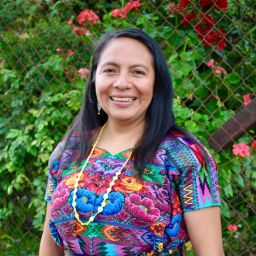
Interview with Women’s Justice Initiative
We interviewed Elvia Raquec, Programs Director at Women’s Justice Initiative, who oversees the expansion of the organization’s work to new communities..
26 Mar 2021
Introducing RECARGA, A Funder Collaborative for Educational Recovery
Tinker is pleased to announce its participation in RECARGA, a funder coalition to support public education systems in Central America as they rebound from the COVID-19 pandemic.
12 Jan 2023
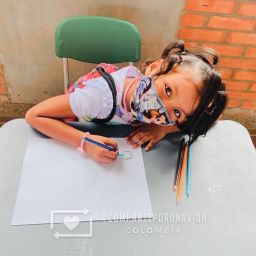
Tinker Announces New Education Grantmaking
The Foundation will fund 11 organizations working to ensure educational equity during the pandemic.
30 Sep 2020

Creativity amid Crisis: Legal Pathways for Venezuelan Migrants in Latin America
In this research brief from early 2019, the authors analyze the current legal frameworks for addressing Venezuelan migration in key receiving countries in Latin America.
01 Jan 2020

Legal Framework Analysis: Fisheries and Marine Protected Areas
The analysis underscores the need to establish formal pathways for fishing community participation in fisheries management and enforcement.

Staying the Course: Addressing the Educational Impacts of COVID-19 in Latin America
This post was first published in Philanthropy News Digest in July. (Photo by Kelli Tungay on Unsplash)
19 Sep 2023
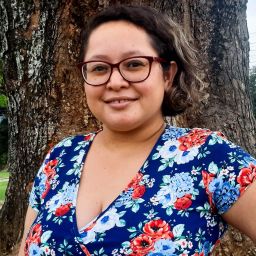
Interview with Organization for Youth Empowerment – OYE
Hablamos con Dunia Perdomo, Coordinadora General de Proyectos en OYE, sobre su respuesta institucional frente a la pandemia y dos huracanes devastadoras en el 2020.
26 Mar 2021
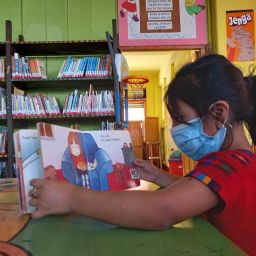
New Education Grants, One Year into the Pandemic
The Tinker Foundation announces 11 new grants that demonstrate its commitment to educational equity during the pandemic.
31 Mar 2021
Civil Society Action Plan on persons leaving Venezuela who requiere national and international protection
Produced through a collaboration between dozens of organizations in the region, The Civil Society Plan of Action outlines key priorities for those advocating for migrant and refugee rights in the Americas.
01 Jan 2020
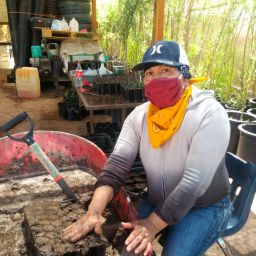
“Resilience, creativity, and solidarity” Three organizations reflect on their work over the last year
We asked three Tinker grantees – Organization for Youth Empowerment (OYE), the Sonoran
Institute in Mexico, and Women’s Justice Initiative – how they have responded to the pandemic.
26 Mar 2021
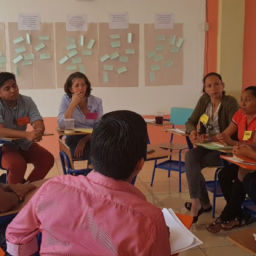
Building a Flexible Education Curriculum in Guatemala
The Population Council partnered with the General Directorate for Alternative Education—DIGEEX—of the Ministry of Education of Guatemala to improve access, quality, and bring secondary education closer to communities.
01 Jan 2020
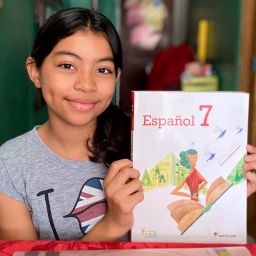
New Grantmaking to Address the Pandemic’s Continued Impact on Education
As we approach the third year of the pandemic, the Tinker Foundation announces funding to 12 organizations working to ensure equitable access to education.
25 Jan 2022

Understanding Tinker’s Letter of Inquiry Process
Most foundations in the United States do not accept unsolicited funding requests. Why does Tinker?
10 Nov 2021
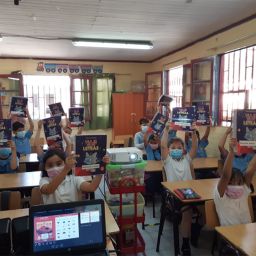
Promoting Literacy during the Pandemic
Loreto Iglesias tells us how the Fundación Educacional Crecer con Todos drew on their many years of experience to address school closings in Chile.
11 May 2022
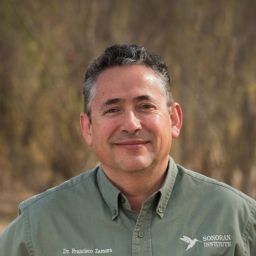
Interview with Sonoran Institute
Dr. Francisco Zamora Arroyo, Director Senior de Programas, cuenta como la organización binacional Sonoran Institute ha respondido a los desafíos de la pandemia y fortalecido la capacidad de resiliencia de su equipo.
26 Mar 2021